
ran Proposes 7-Day Plan to End War and Reopen Strait of Hormuz
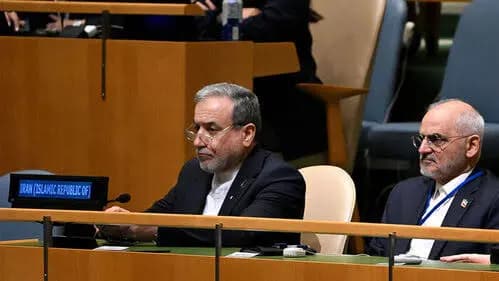
Iran’s foreign minister, Abbas Araghchi, announced at the United Nations General Assembly that Tehran has submitted a comprehensive seven-day proposal to Washington to cease hostilities, reopen the strategic Strait of Hormuz, and immediately resume negotiations over its nuclear program.
The proposal arrives amidst a nearly seven-month military conflict between the United States, Israel, and Iran. Hostilities began in late February following U.S. and Israeli airstrikes that killed Iran’s Supreme Leader, Ayatollah Ali Khamenei, and top military command figures.
Key Details of the 7-Day Proposal
According to Iranian officials, the proposed plan mirrors the commitments laid out in a June memorandum of understanding between the two nations that ultimately unraveled, but accelerates the timeline significantly:
Immediate Cessation of Hostilities: All military action would stop across the region, including in Lebanon.
Sanctions Relief and Asset Unfreezing: The United States would release at least $12 billion in frozen Iranian assets, lift the naval blockade on Iran, and waive oil sanctions.
Reopening the Strait of Hormuz: On the seventh day, Iran would reopen the vital shipping route to international maritime traffic.
Nuclear Negotiations: Comprehensive diplomatic talks regarding Iran’s nuclear program would commence immediately following the seven-day period.
Diplomatic Landscape and Regional Reactions
While Iranian Foreign Minister Araghchi described recent mediated talks involving U.S. envoys Steve Witkoff and Jared Kushner as "productive," American officials cautioned that Washington will not rush into an agreement. U.S. Secretary of State Marco Rubio noted that mediated discussions led by Qatar have not yet yielded a breakthrough.
Simultaneously, international pressure continues to build. A coalition of 80 nations led by Bahrain publicly condemned Iran's actions in the strait and called for the immediate, unconditional reopening of the waterway without tolls.
Frequently Asked Questions (FAQ)
What triggered the war between the U.S. and Iran?
The war began in late February 2026 after U.S. and Israeli airstrikes targeted and killed Iran’s Supreme Leader, Ayatollah Ali Khamenei, alongside top leadership in the military chain of command.
Why is the Strait of Hormuz significant to the global economy?
The Strait of Hormuz is of the world's primary choke points for maritime oil transit. Disruptions and blockades in the strait severely impact global energy markets, driving up oil, energy, and food prices worldwide.
How does the 7-day proposal differ from the previous June agreement?
While maintaining similar terms, the new proposal operates on an accelerated schedule—compressing what was previously a 60-day window for starting nuclear negotiations into a fast-tracked seven-day timeline.